


Here’s The Latest
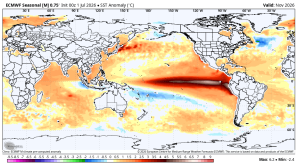
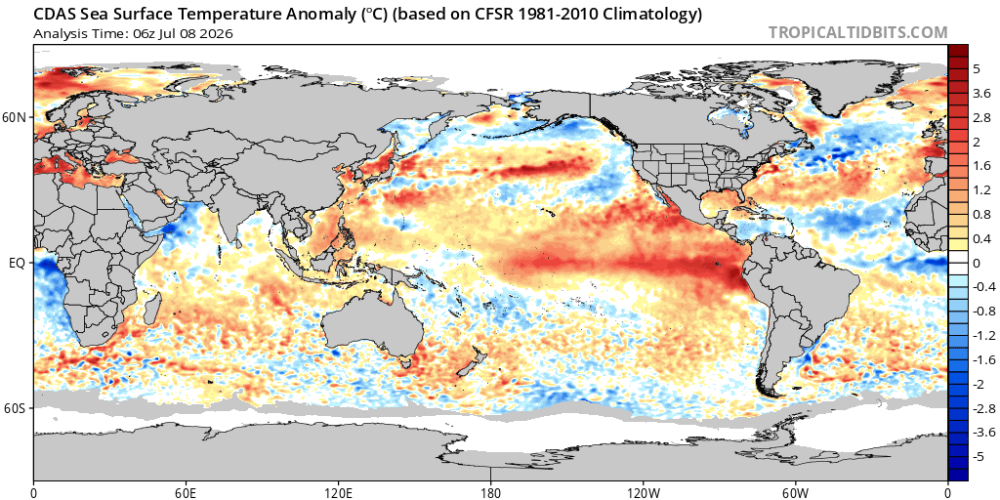
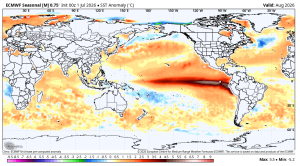
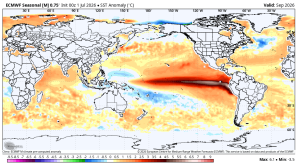
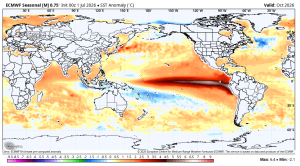
Sea surface temperatures across the central and eastern equatorial Pacific Ocean have warmed significantly, with El Nino conditions firmly established now and continuing to intensify. Large areas of the tropical Pacific are now running well above average, therefore, NOAA has officially declared El Nino conditions. Computer forecasts indicate the event will continue intensifying through the summer and fall, with the potential to become a very strong El Nino by late 2026. This will influence weather patterns across the globe for months to come.
So, what does this mean moving forward for the Atlantic hurricane season?
One of the biggest questions from the very beginning was how El Nino would impact the 2026 Atlantic hurricane season. Historically, strong El Nino events tend to increase upper-level winds across portions of the Caribbean and tropical Atlantic. This creates more wind shear, which can disrupt developing tropical systems and make it harder for hurricanes to organize and strengthen. Even if sea surface temperatures are well above average which they are.
So, the bottom line is a strengthening El Nino tilts the odds towards a less active Atlantic hurricane season. Especially when we’re currently still looking at a lot of Saharan Dust out there and below average water temperatures across the MDR (Main Development Region) and only slightly above average water temperatures in the Caribbean.
But one thing that I want to stress is that while El Nino often acts as a suppressing factor for Atlantic hurricane activity, it does not completely eliminate the threat. Remember, it only takes one storm to make a major impact on the season as a whole, and hurricanes can still develop during El Nino years if other atmospheric conditions become favorable.
We’ll have to still keep a close eye on conditions as we approach the peak of hurricane season which typically runs from August through October. The strength and persistence of El Nino will play an important role in determining how active the remainder of the season becomes.
Monthly Sea Surface Temperature Anomalies
August
September
October
November